


Retirement is the milestone we all look forward to. Next to getting married and/or witnessing the birth of a child, some describe it as one of the greatest “life events” one gets, or hopes, to participate in. After decades of hard work, it is finally time to enjoy your time spending it with (or without) your loved ones on the golf course, at the riverbank, or simply enjoying the thought of doing “nothing.” As with the planning of other “life events” you will have already encountered, a successful retirement requires foresight and planning.
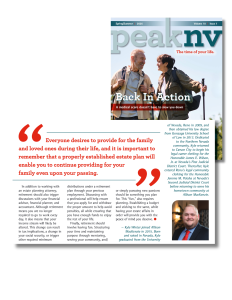
One of the most important steps as you approach retirement or are recently retired is establishing and/or updating your estate plan. Everyone desires to provide for the family and loved ones during their life, and it is important to remember that a properly established estate plan will enable you to continue providing for your family even upon your passing. Even more important, it will enable you to dictate who will oversee decision making for you if you become incapacitated and/or where your estate will be distributed upon your passing.
Generally, your estate plan should be reviewed and/or updated on a routine basis, and at a minimum, after the occurrence of any “life event.” As mentioned above, this “life event” could be the birth of a child, a marriage, the loss of a loved one, or as important, your retirement. Although your desires may have been memorialized under your Last Will and Testament, Living Trust, or other succession planning documents established years prior, those desires may have changed now that you have reached retirement. Reviewing and/or establishing your estate plan upon your retirement will help ensure that your desires are still reflected in your documents, can help minimize taxes, and will enable you to best protect your assets as you begin to enjoy the many years of life without work.
In addition to working with an estate planning attorney, retirement should also trigger discussions with your financial advisor, financial planner, and accountant. Although retirement means you are no longer required to go to work every day, it also means that your income stream will likely be altered. This change can result in tax implications, a change in your social security, or trigger other required minimum distributions under a retirement plan through your previous employment. Discussing with a professional will help ensure that you apply for and withdraw the proper amount to help avoid penalties, all while ensuring that you have enough funds to enjoy the rest of your life.
Finally, retirement should involve having fun. Structuring your time and maintaining purpose through mentoring, serving your community, and/or simply pursuing new passions should be something you plan for. This “fun,” also requires planning. Establishing a budget and sticking to the same, while having your estate affairs in order will provide you with the peace of mind you deserve.
See the full article on Page 12 of Peak NV Spring Summer 2026 here.


 402 North Division Street Carson City, Nevada 89703 |
  775.687.0202 |
  info@allisonmackenzie.com
Copyrights ©2026, The Company Name. All rights reserved.