


The Northern Nevada Senior Empowerment Seminar
Save the date! The Northern Nevada Senior Empowerment Seminar is open to the public on January 16th at 10:30am at Osher Lifelong Learning Institute! Attorney/Partner Kyle Winter is a great resource for Wills, Trusts, Probate, and POA! Contact him with any questions at kwinter@allisonmackenzie.com.
See news clip here.
We are very honored to be nominated in NNBW’s Best in Business for Best Law Firm! Thank you so much to our amazing community for your continued support. Congrats to all the nominees! You can cast your votes here: https://www.nnbw.com/bestinbusiness2024/#/gallery

By virtue of being Americans, we all enjoy the ability and right to make our own decisions. These decisions vary in degree of importance from something as trivial as selecting the color of our vehicle to significant decisions such as who we want to raise our kids in the event that something happens to us.
A large majority of people tend to delay making a few key decisions, which can significantly impact their lives in the future. These decisions involve executing a Durable Power of Attorney and Nomination of Guardian as well as a Durable Power of Attorney for Health Care Decisions. Appointing trusted individuals to act on their behalf, if or when they become unable to make decisions on their own, is crucial. As people age, their cognitive abilities can decline to varying degrees. The degree can be slight and still allow them to function and make decisions for themselves on a daily basis, or the degree of decline can be great and caused by ailments such as Dementia or Alzheimer’s. Sometimes people can get into an accident and become unable to make decisions for themselves as well. In any case of incapacitation, whether accidental or otherwise, it is always a good idea to have documents in place appointing trusted individuals to carry out your desires.
The first instrument discussed is the Durable Power of Attorney and Nomination of Guardian commonly referred to as a Financial Power of Attorney. This document allows you to select a person to act as your agent and carry out financial decisions on your behalf. This document can be set up to give the nominated person the ability to make financial decisions for you immediately, but more commonly it is set up to go into effect upon your incapacitation. In addition to nominating someone to make your financial decisions, this document gives you the ability to nominate someone to serve as your guardian, in the event that you are in need of one.
The second instrument is the Durable Power of Attorney for Health Care Decisions, commonly referred to as a Health Care Power of Attorney. In this document you will make a series of elections for your desires in certain scenarios, such as if you would like artificial nutrition and hydration to keep you alive once all other treatment has been stopped. You choose what you would like to have happen to you in the event that you are unable to articulate those decisions to medical providers. By nominating a trusted individual, you can ensure that your preferences are adhered to.
It is important to be able to rely on people’s help when you are unable to help yourself. Getting a Financial Power of Attorney and a Healthcare Power of Attorney in place go a long way to make sure you are taken care of how you would like to be. As a bonus, if you have both powers of attorney in place, your loved ones will generally not have a need to gain guardianship over you to take care of your affairs in the case of incapacity. This will save you and them thousands of dollars and the headache of the guardianship process. Here at Allison MacKenzie, we enjoy serving our community and ensuring that everyone’s legal needs are met. Please contact Allison MacKenzie if you are interested in learning more.
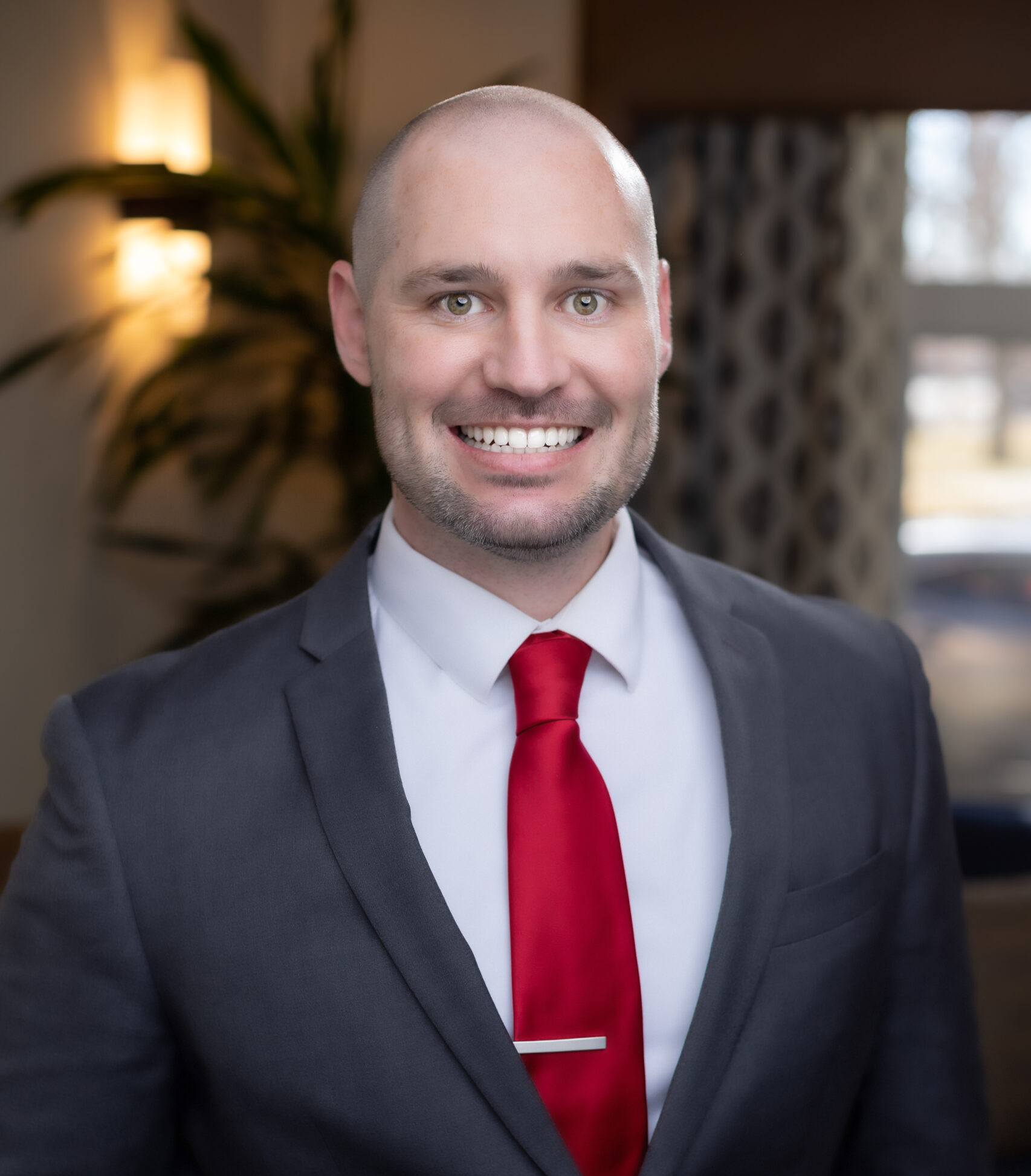 – Daniel Judd is a native Northern Nevadan and has been practicing family law for approximately five years. Daniel Judd is a partner at Allison MacKenzie, LTD., in Carson City, Nevada and where he resides with his wife and two children.
To read this article in the Peak NV magazine, check it out here.

We are excited to announce that Allison MacKenzie has been awarded 1st place for Best Attorney in the Best of Carson City 2024 competition!
Winning this award would not have been possible without the support of our incredible community. We are deeply grateful to the community of Carson City, everyone who voted for us, and to our clients who have entrusted us with their legal needs over the years. Allison MacKenzie has been proudly serving Carson City and the state of Nevada for nearly six decades. We consider it an honor to be able to help our community with legal assistance in Nevada state laws, including businesses, non-profit organizations, public utilities, real estate firms, and individuals. Our commitment to you is reflected in our team of talented, experienced attorneys who offer a wide range of practice areas, ensuring a comprehensive legal foundation for every client and situation.
We also want to express our sincere appreciation to our outstanding team. Each member of the Allison MacKenzie family plays a crucial role in our success and this designation would not have been possible without them. Their expertise, dedication, and passion for helping others are the foundation of everything we do. We are incredibly proud of our staff, whose hard work and commitment have earned us this remarkable honor.
This award not only recognizes our past achievements but also motivates us to continue serving the Carson City community with the same level of dedication and professionalism that we have displayed for decades. We are committed to upholding the trust you have placed in us and to being your go-to resource for all your legal needs.
Once again, thank you to our wonderful community and our exceptional team. We are proud to be part of Carson City, and we look forward to many more years of serving you with integrity and excellence.
Thank you,
The Allison Mackenzie Team

Allison MacKenzie law firm announced Robert Morgan-Beesley has joined their firm as a new associate attorney.
After completing his Bachelor of Science in exercise sport science-pre medicine from Oregon State University in 2012, Morgan-Beesley received his Juris Doctor from the William S. Boyd School of Law in 2022.
In 2023 he was admitted to practice in Nevada. He previously served as a clerk for the Honorable Connie J. Steinheimer of the Second Judicial District Court in Reno.
Morgan-Beesley is a member of the State Bar of Nevada and the Washoe County Bar Association. His areas of practice include administrative law, business law, construction law, education law, employment law, energy law, estate planning and healthcare law.
See full article here.

Ryan Russell
“A popular Government without popular information or the means of acquiring it, is but a Prologue to a Farce or a Tragedy or perhaps both. Knowledge will forever govern ignorance, and a people who mean to be their own Governors, must arm themselves with the power knowledge gives”. -James Madison.
That historical concept informs the Open Meeting Law (“OML”), which is founded, in my opinion, in the notion that all public bodies exist to aid in the conduct of the people’s business. At its core, the OML is designed to ensure transparency in the actions and deliberations of public bodies. It further is designed to ensure that the meetings, actions, and deliberations of public bodies are not only conducted openly and notoriously, but pursuant to properly posted agendas which include a clear and complete statement of the topics to be considered, a list of items upon which action may be taken, and multiple periods devoted to public comment. The clarity of the notice and agenda must provide clear notice of the topics to be discussed at public meetings, thereby enabling the public to attend when a topic of interest is on the agenda.
A “meeting” under the OML is a gathering of a quorum of a public body where information is acquired, discussed, or decisions are made regarding that information within its jurisdiction. According to N.R.S. 241.015, a meeting does not include any gathering or series of gatherings of members of a public body if the members do not deliberate toward a decision or take action on any matter over which the public body has supervision, control, jurisdiction or advisory power. At the core of any meeting of a public body is deliberation and action. Deliberate means collectively to examine, weigh and reflect upon the reasons for or against an action. It includes without limitation the collective discussion, acquisition and exchange of facts preliminary to the ultimate decision. Action means a decision, promise or commitment. Action occurs when a vote is taken by a majority of all of the members of a public body.
Central to a proper meeting of a public body is public comment. A period devoted to comments by the general public, if any, must be taken at the beginning of a meeting of a public body before any items on which action may be taken are heard, and again before adjournment, or after each item on the agenda on which action may be taken is discussed by the public body, but before the public body takes action. Regardless of either of the above options, the public body must allow the general public to comment on any matter that is not specifically included on the agenda as an action item before adjournment of the meeting, but no action may be taken on an un-agendized item. It is always important to understand that a public body will never get in trouble for taking too much public comment. That is because public comment is designed to allow public bodies to hear the voices of the people, to discover issues of concern, to learn of dissenting views, to hear positive views, and to determine future agenda topics. Public comment is not a platform for matters outside of the jurisdiction or control of the public body. So public bodies are able to put reasonable restrictions on public comment, such as a reasonable time limit, and a limitation to matters within the authority of the public body. A public body is also permitted to prohibit public comment if the content is willfully disruptive of the meeting by being irrelevant, repetitious, offensive, inflammatory, irrational, or if it amounts to a personal attack or acts as an interference with the rights of other speakers.
In short, the OML is a tool to ensure that public bodies, in service of the public, conduct their meetings openly and with proper notice, and with multiple periods of public comment. At Allison MacKenzie, we represent myriad public bodies and strive to assist each one in steadfast compliance with the OML.
See full article here.
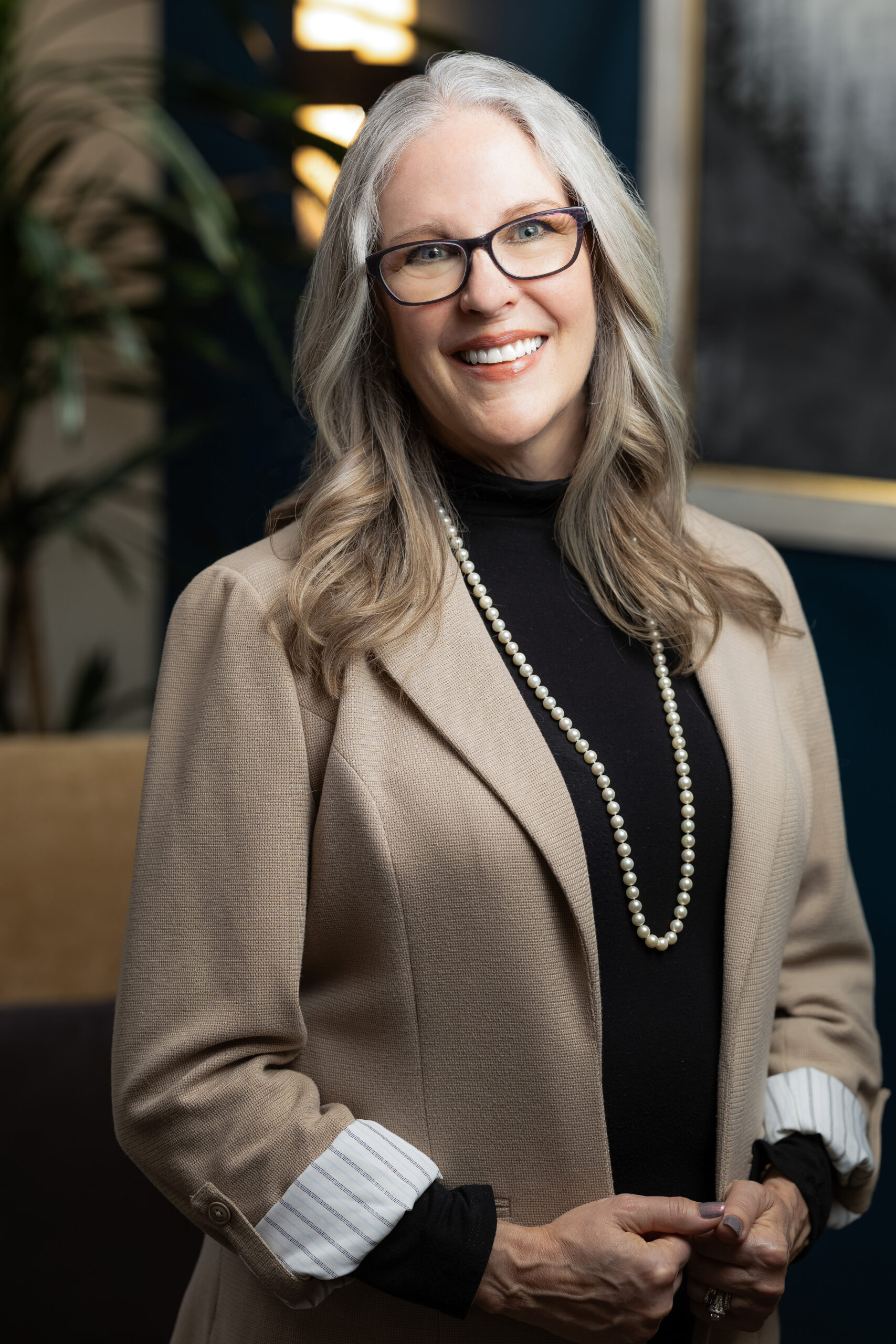
Copyright – Jeramie Lu Photography | www.JeramieLu.com | available for travel worldwide
Allison MacKenzie law firm announced Shelley Martin has joined the firm as firm administrator.
Martin has worked in business administration for more than 30 years, primarily in the real estate industry, including companies such as CB Richard Ellis, as well as commercial contractors and residential home builders in California and Montana.
She served as a business administration consultant for over a decade, supporting small businesses between 2006 and 2016. In her new role, Martin will be responsible for overseeing the day-to-day operations of the firm, managing administrative functions, and supporting the strategic goals of Allison MacKenzie.
Prior to relocating to Carson City, Martin served as a board member for the Missoula Building Industry Association and held a property management license in Montana.
She chaired the Missoula Building Industry Association Parade of Homes event for several years and participated in fundraising efforts for organizations including the Missoula Repertory Theater and the Boys and Girls Club in Missoula.
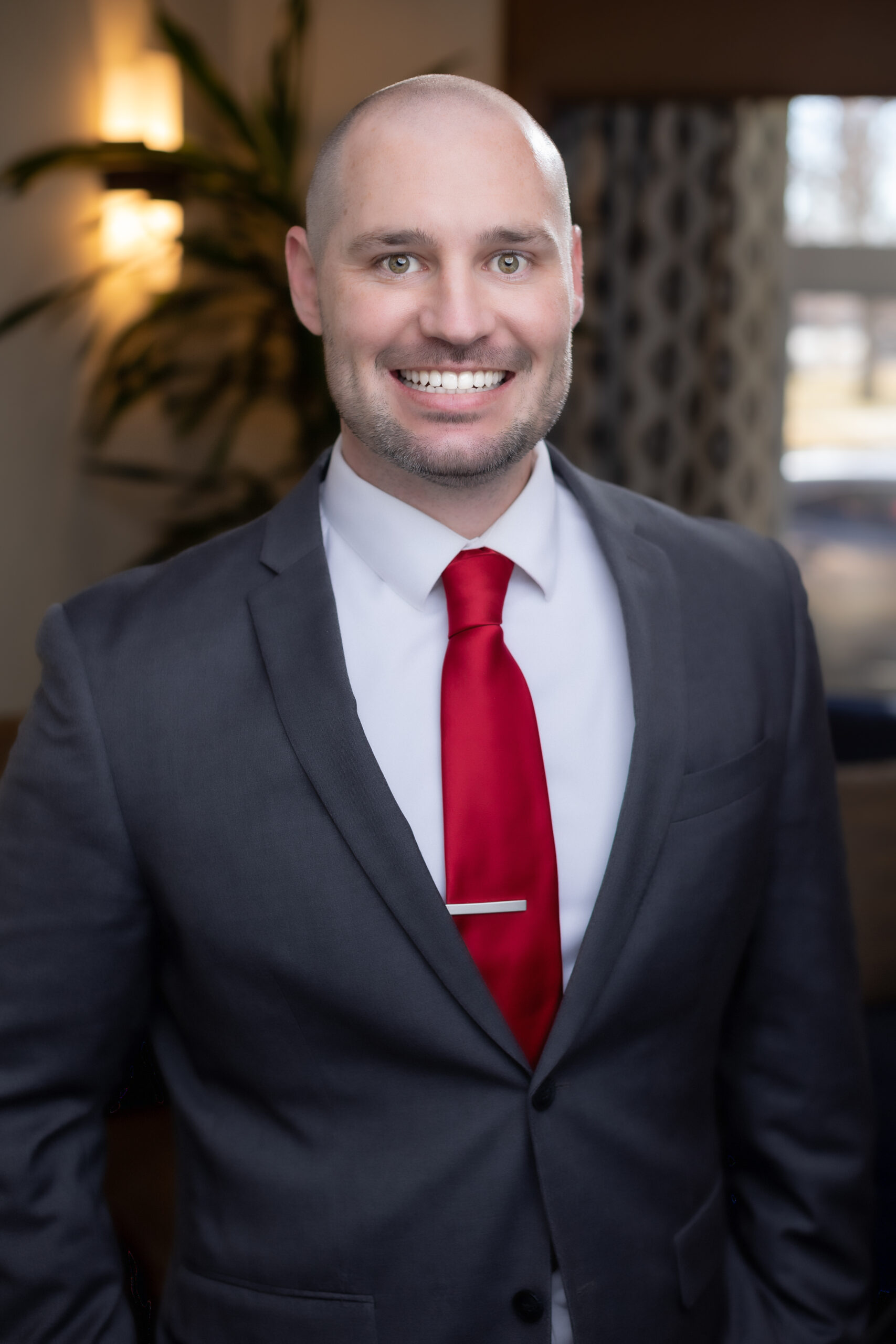
By Daniel Judd
When contemplating a divorce, one factor of consideration is how it will significantly change your daily life. Common things to think about very likely include, getting off work and going home to an empty house, trying to figure out and adjust to a shared custodial schedule of the children, and questioning whose side friends are going to take in the divorce. While these are all very significant changes resulting from a divorce, and are valid concerns, there are also very significant financial implications to take into consideration when contemplating a divorce.
Nevada is a community property state, which means that all assets and debts acquired during a marriage belong equally to both parties, provided that the parties did not enter into a prenuptial or postnuptial agreement. While assets and debts acquired during the marriage are considered community property, assets and debts acquired prior to the marriage are generally considered separate property and not subject to division. Upon divorce, the court will make an equitable division of the community assets, which generally means each spouse receives half of the community assets and half of the community debts. This means that as a general rule of thumb, getting a divorce equates to losing at least half of everything you own.
In addition to dividing everything in half, there are a number of expenses that eat into the assets. Contested divorces generate substantial attorney fees which must be paid. Very often real estate must be sold and agents’ commissions paid. If real estate is not sold, it most likely will need to be refinanced into the person’s name that is keeping it, which is not cheap and depending on the interest rates and how much money is required to be pulled out to purchase the other party’s interest, the mortgage payments can skyrocket.
It is vital to also consider monthly expenses and living situations. More likely than not, when people are getting divorced they live apart. Generally, one spouse will stay in the marital residence and the other will move out. Instead of having dual incomes for one household, the parties will now have two households to support. It is very realistic that people going into a divorce will not have the funds available to pay for all of the expenses associated with two households. This often results in increased credit card debt and a decrease in all parties’ standard of living.
While a divorce is not fun for anyone involved, it is sometimes necessary. It is not an easy road and will cause significant changes to everyone’s lives. Your regular routine will be changed, you will not get to see your children as much and your finances will take a significant hit. Although making the decision to move forward with a divorce is not one to be taken lightly, and during the divorce life will be difficult, there seems to be a general consensus that after the divorce has been complete, life gets better and normality can be reclaimed.
When thinking about getting divorced, it is important to meet with an attorney and find out exactly how you will be impacted. When selecting an attorney it is important to assess how your goals, expectations and personalities align. You are going to be working with that attorney very closely during the divorce process and very likely afterward, so it is important that you select someone that you trust and get along with. The last thing that you need when facing a divorce is to fight with both your soon to be ex-spouse and your attorney. An attorney-client relationship in a divorce is not only a working relationship, but also a personal relationship, your selection of an attorney is an important one.
Daniel Judd is a native Northern Nevadan and has been practicing family law for approximately five years. Judd is a partner at Allison MacKenzie, LTD., in Carson City and where he resides with his wife and two children.
See full article here.
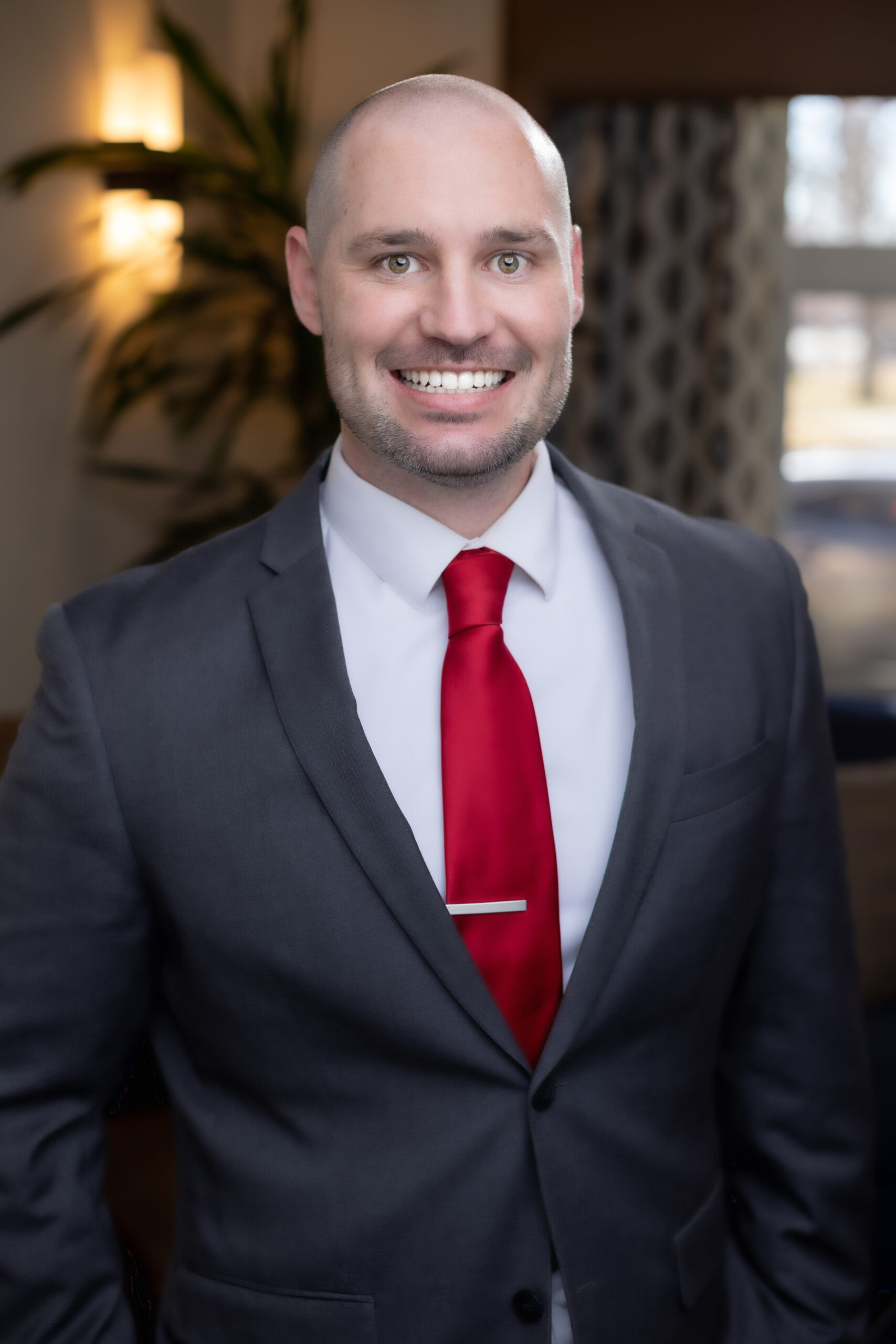
Allison MacKenzie law firm announces Daniel Judd as shareholder.
Judd joined Allison MacKenzie as an associate in 2019 and has risen to shareholder in that time. A Nevada native, he graduated from the University of Nevada, Reno in 2013 with a Bachelor of Science Degree in criminal justice – pre-law.
In 2017, Judd obtained his Doctor of Jurisprudence degree from the University of Wyoming College of Law and in 2018, he was admitted to practice in Nevada. His areas of practice include family law, divorce, guardianships and estate planning.
Judd is a former law clerk for both Allison MacKenzie and James Russell, district court judge of the First Judicial District Court in Carson City.
Additionally, he served the community as a deputy sheriff in Carson City.
See full article here.


 402 North Division Street Carson City, Nevada 89703 |
  775.687.0202 |
  info@allisonmackenzie.com
Copyrights ©2026, The Company Name. All rights reserved.